Building a Custom Home in Platt Park: What to Know
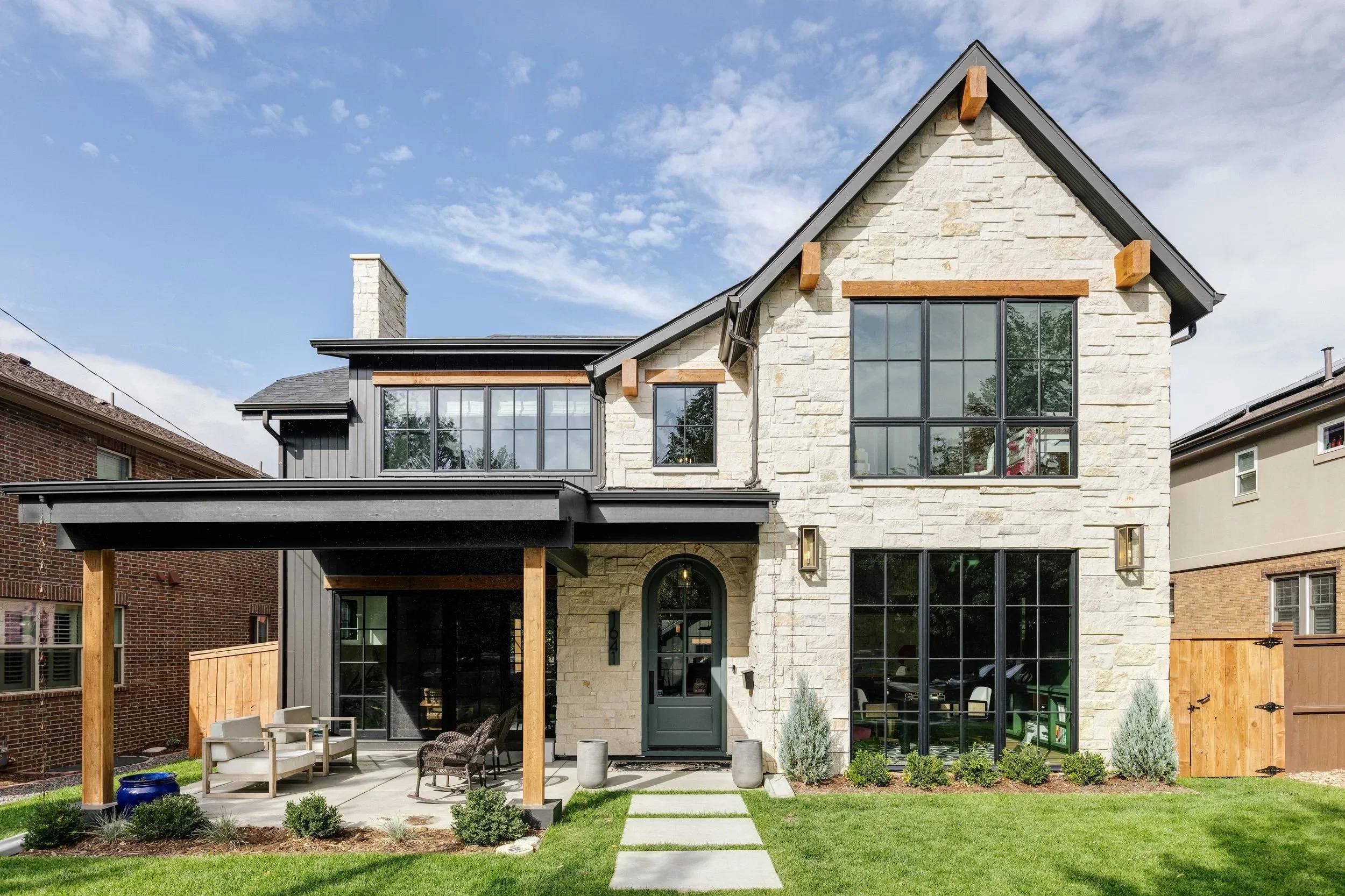
Platt Park has become one of Denver's most desirable neighborhoods for custom and infill construction, and it's not hard to see why. Walkable streets, strong schools, South Pearl Street at your doorstep, and a neighborhood that consistently holds its value. Average home prices have held steady above $1M in 2025, yet it still offers a more accessible entry point than neighboring Wash Park. At Abell to Build, we know this neighborhood well and can guide you through the process from finding the right lot to move-in day.
Why Platt Park?
Platt Park is defined by its early 20th-century character — Craftsman bungalows, cottage-style homes, Tudors, and brick cottages built mostly between 1910 and 1945. It's a neighborhood with a strong identity and a consistent streetscape that buyers continue to seek out year after year.
What draws people here:
South Pearl Street: locally owned restaurants, boutiques, pubs, and a weekly farmers market
A short walk or bike ride to Wash Park
High-performing schools within the neighborhood
Walkability and a genuine community-style energy
Long-term property value
It's a neighborhood that works for every stage of life and building or renovating here is one of the more long-term investments you can make in Denver.
We put together a list of where we'd eat, shop, and spend time if we were building in Platt Park right now — check it out here.
How to Find the Right Lot or Teardown Opportunity
Platt Park is a tight market. Lots typically run between 4,500 and 6,250 square feet, and the neighborhood leans toward renovation and infill rather than ground-up scrapes — though new builds do happen here when the right lot comes along. Finding the right opportunity takes patience and the right people in your corner early.
A few things worth understanding going into the search:
The difference between a strong teardown candidate and a property better suited for renovation
How lot orientation, setbacks, and alley access affect what's actually buildable
Why having your builder involved before you're under contract can save significant time and money
New Build vs. Renovation: What Makes Sense in Platt Park
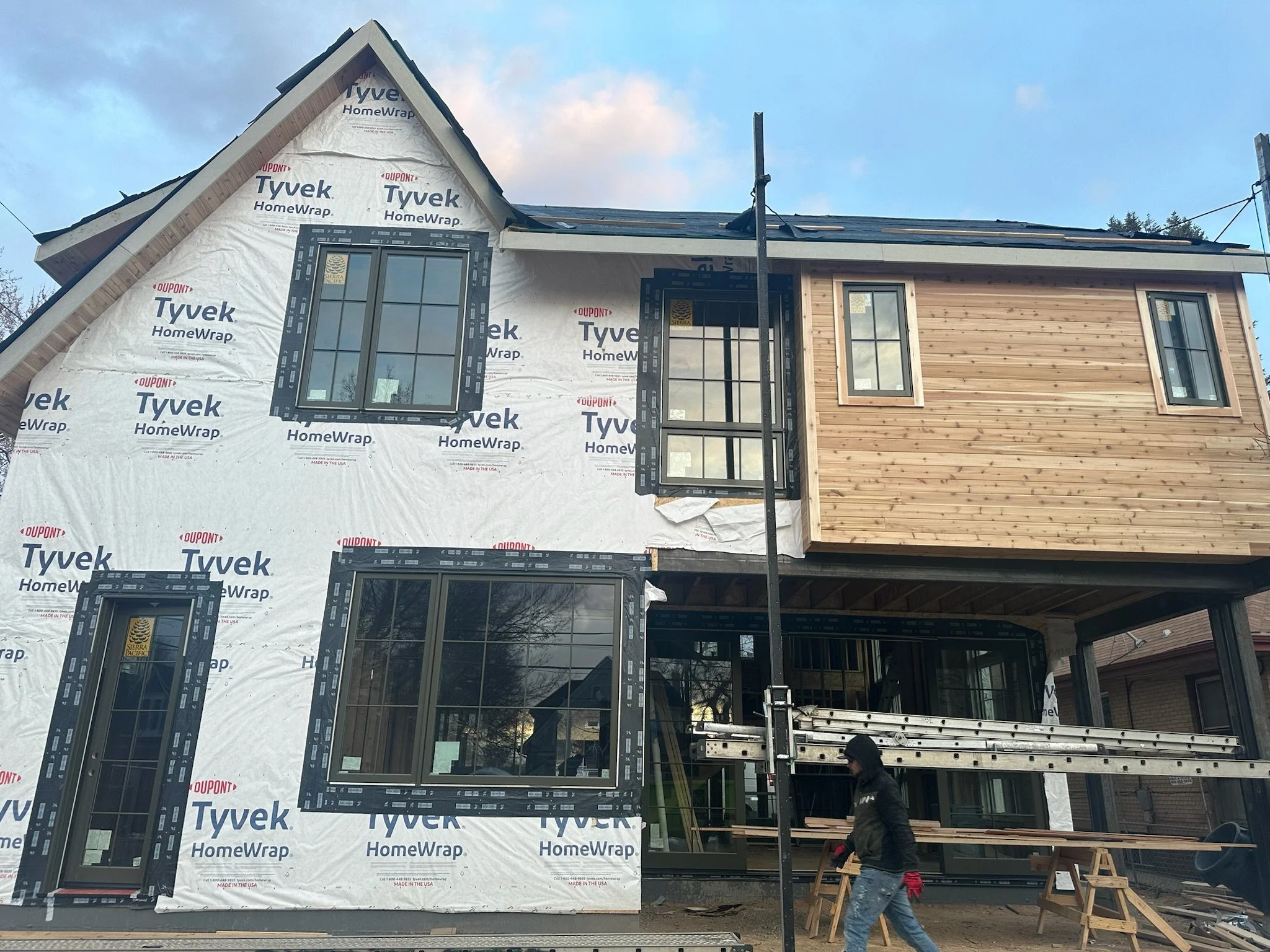
This is one of the first decisions you'll need to make and in Platt Park, it's worth thinking through carefully. The neighborhood leans toward renovation due to historic preservation, compact lots, and Denver's infill zoning. That said, ground-up custom builds do happen here when the right lot comes along, and we know how to navigate both paths.
Renovation makes sense if:
Preserving the original architectural character matters to you
Your budget is more constrained
You want a more straightforward path through the permitting process
Common renovation paths in Platt Park include kitchen remodels, pop-top additions, basement finishes, primary suite additions, and indoor-outdoor improvements.
New build makes sense if:
You want a home built entirely around your lifestyle — open layouts, modern systems, and full energy efficiency from day one
You're ready to invest the capital and trust a team that knows how to move a Denver infill project through permitting efficiently
Worth knowing: Denver's citywide ADU measure, effective December 2024, now allows accessory dwelling units in all residential areas; a backyard structure, garage conversion, or basement unit can add real value and flexibility to a Platt Park property. It's something we're happy to walk through with you as part of the overall project conversation.
Designing for the Neighborhood
The best custom builds in Platt Park work with the neighborhood rather than against it. That generally means preserving street-facing character, the front porch, original massing, and familiar materials, while pushing modern design to the rear or upper levels.
Compact lots reward intentional design. Rear additions, rooftop decks, and indoor-outdoor connections can make a smaller footprint live significantly larger. The homes that hold up best here, in terms of both livability and long-term value, are the ones that feel like they belong on the block.
Timeline Expectations: Infill Build vs. Development Lot
Infill projects in an established neighborhood like Platt Park take longer than building on a development lot and understanding that going in makes the whole process smoother.
What generally affects the timeline:
Site survey, soil testing, and architectural review all come before permits are pulled
Denver's permitting process for infill can be lengthy depending on project complexity and historic overlay status
Demolition, site prep, and utility work add time specific to infill builds
Design complexity and finish selections affect the overall schedule
That's exactly why having an experienced builder in your corner from day one matters. We've been through this process to know where the delays come from and how to keep things moving, so you're never left wondering where your project stands.
Questions to Ask Yourself Before You Start
You don't need all the answers before reaching out. These are the questions we work through together:
What is your budget and does it align with what building or renovating in Platt Park realistically costs?
Do you already have a lot or property in mind, or are you still searching?
Is the property in a historic district or conservation overlay?
How important is preserving original architectural character vs. starting fresh?
Are you open to an ADU as part of the project?
What does your timeline look like and how does it align with Denver's permitting process?
Ready to Build in Platt Park?
If you're thinking about living in Platt Park, the best next step is a conversation. We'll help you evaluate your options, walk potential sites, and put together a realistic picture of what's possible for your budget and timeline.
If you're earlier in the process, start with The Complete Guide to Building a Custom Home in Denver — it covers everything from budgeting and design to permitting and construction, and gives you a solid foundation before diving into the neighborhood-specific details.
When you're ready, reach out to the Abell to Build team and let's get to work.